
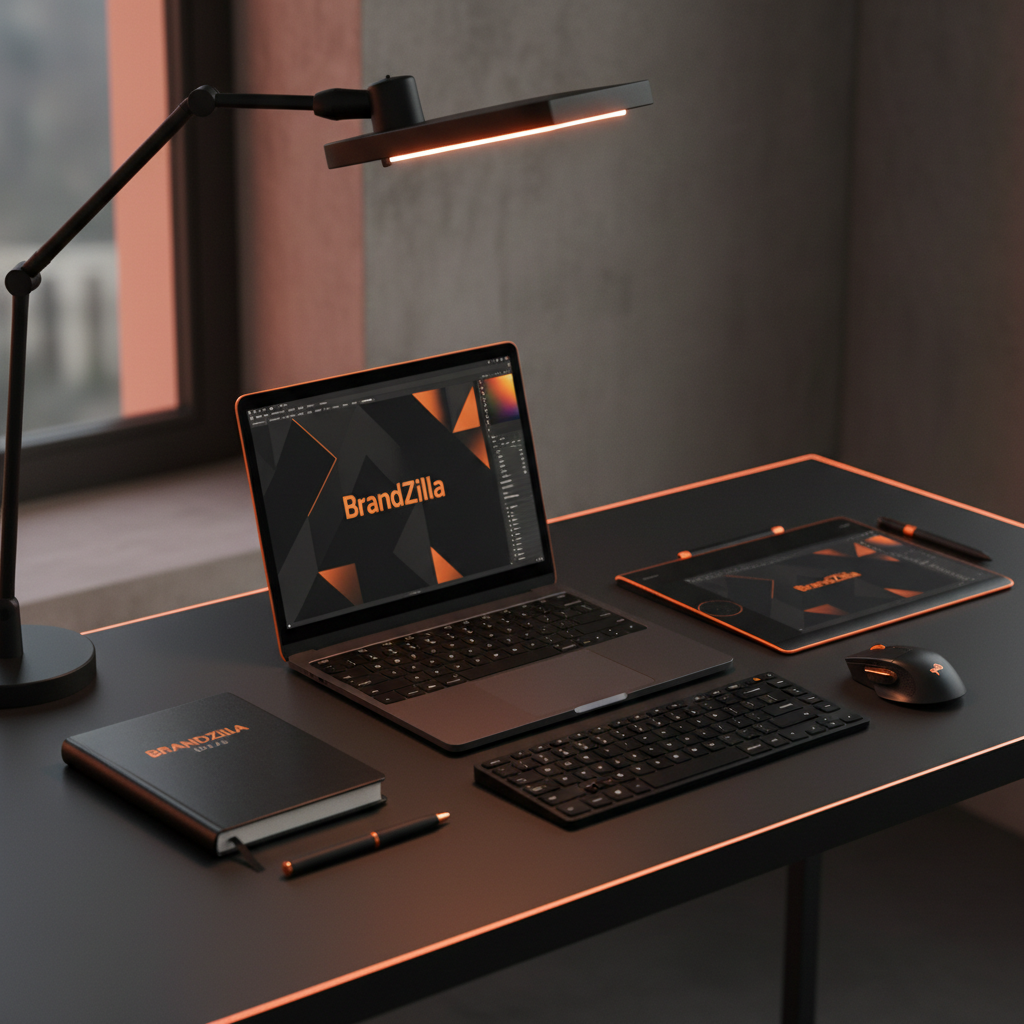

Freelance Designer

Create a Weekly Content Plan for Freelance Designers That Lands Clients

The ultimate weekly content plan for freelance designers. Get specific post ideas, captions, and strategies to build trust and land better design clients.

3 min read Updated Jun 29, 2026 Used by 1,000+ businesses
Create a Weekly Content Plan for Freelance Designers That Lands Clients
BrandZillaBrandZilla EditorialReviewed by marketing operators

Stop staring at a blank Figma canvas or a flashing cursor. For a freelance designer, content isn't about being an "influencer"—it's about proving you are a reliable professional who solves expensive problems. Most designers fail at content because they focus on the pixels rather than the project's purpose.

Reality check: Your clients don't care about your favorite font pairing. They care about whether your design is going to make them more money, save them time, or make them look better than their competitors.

Your weekly content plan needs to stop selling "design services" and start selling "business outcomes." This guide breaks down exactly what to post to build a backlog of trust so that when a lead eventually lands in your inbox, they’re already sold on your process.

Quick tips

1

Batch Your 'Proof' Assets

Keep a dedicated folder on your phone or desktop for screenshots of nice emails, sketches, or 'aha' moments during the work day.

2

Answer Client Questions Publicly

If a client asks you a question via email, that is your next social media post. Answer it publicly.

3

Record Your Process Lo-Fi

Record your screen while you work. Speed it up 10x, and you have an instant Reel/Short that shows your craft.

4

Talk Business, Not Art

Stop talking to other designers. Use the language your clients use (leads, sales, trust, clarity).

Stay consistent without hiring a social media manager

A simple weekly content system that keeps your business visible and trusted online — no daily improvisation.

No spam. Unsubscribe anytime.

Showing the Strategy Behind the Screens

This is where you prove you aren't just a "pixel pusher." You need to demonstrate that you understand how business works. These posts are about the strategy that happens before you even open your design software.

What actually works: Share a screenshot of a messy Discovery Call note or a physical sketch. It proves that you think before you draw.

Use these examples to show your logic:

Example 1

The 3 questions I ask every client before I touch a single pixel.

Example 2

Why I talked a client OUT of a complete rebrand (and what we did instead).

Example 3

How we chose a typography system specifically to increase readability for an older demographic.

Example 4

The difference between a 'pretty' logo and a 'strategic' visual identity.

Example 5

A breakdown of a moodboard and how it directly translated to the final product.

Turning Case Studies Into Client Magnets

Design is subjective, but results are not. Use your weekly content to show the "before and after" of a project. Not just visually, but emotionally or financially for the client.

Quick win: Take a client testimonial and pair it with a 5-second video of the finished website or brand book. It’s the highest ROI content you can make.

Try these angles for social proof:

Example 1

A side-by-side comparison of a 2018 website vs. the 2024 redesign we just launched.

Example 2

The specific feedback a client gave that changed the direction of the project for the better.

Example 3

How this new packaging design helped a brand get onto retail shelves.

Example 4

A 'Thank You' post tagging a recent client and highlighting one major win they had since working with you.

Example 5

The 'Vibe Shift': How a new brand identity changed how a founder felt about their own business.

Building Trust Through Professional Personality

People hire people. In a world of generic content, your perspective is your greatest asset. Share your opinions on industry trends, how you manage your freelance business, or why you work the way you do.

Common mistake: Thinking you need to be professional 100% of the time. Clients want to know they are hiring a human who is easy to work with.

Inject some personality with these ideas:

Example 1

My 'Non-Negotiables' for a healthy client-designer relationship.

Example 2

A photo of my actual desk (complete with the cold coffee) and why I work better in this setup.

Example 3

Why I stopped offering [specific service] to focus on being an expert in [niche].

Example 4

A book or resource that changed how I think about design this year.

Example 5

What I do when I hit a 'creative block'—it’s usually just taking a walk.

Copy-paste AI prompt pack

Drop these straight into your post — or generate fresh ones with BrandZilla.

Captions

  • The 'Why' Factor: 'Most people think [Design Element] is about aesthetics. In reality, it’s about [Business Outcome]. Here is how we used it for [Client Name] to [Result].'
  • The Reality Check: 'Design isn't a cost; it's an investment. When we redesigned [Project Type], the goal wasn't just to look pretty—it was to reduce [Pain Point].'
  • The Personal Pivot: 'I get asked a lot why I specialize in [Niche]. It’s because I noticed [specific industry problem] was being ignored. Here is my approach to fixing it.'

Hooks

  • Design isn't just how it looks; it's how it works for your bottom line.
  • Three things I wish every client knew before starting a rebrand.
  • We cut [Client's] bounce rate by 30% with one simple layout change.
  • Stop using [Common Design Trend] if you want to be taken seriously.

Hashtags

#freelancedesigner#brandstrategy#uiuxdesign#solopreneur#designprocess#creativeentrepreneur#businessofdesign#logodesign#uxstrategy#clientexperience

Questions business owners actually ask

Real objections from real operators — answered straight.

BrandZillaBrandZilla EditorialReviewed by marketing operators

Free tools to keep you consistent

Quick utilities for the moments between full posts.

Most businesses stop posting after 2 weeks

BrandZilla gives small businesses a simple weekly content system — so you stay visible, build trust, and get more enquiries without hiring a social media manager.

More for Freelance Designer

Same topic, other industries

From the blog